Showing posts sorted by relevance for query tempranillo. Sort by date Show all posts

Wednesday, November 13, 2019

Happy Tempranillo Day!

Tempranillo, also known as Tinta del País, Tinto Fino,Tinta del Toro, Cencibel, Ull de Llebre, or Tinta Roriz/Aragonez (in Portugal), is the most important Spanish contribution to the wine world. Tempranillo is also kind of an underdog, mostly because in Europe, grapes are not listed on the labels, so you  probably had a Rioja, or Toro wine and not know that Tempranillo is the grape in these appellations. However, in the last 20 years or so, this is fast changing, not only Spanish wines got their truly deserved recognition, but more and more producers are experimenting with plantings of Tempranillo in places like Australia, California,Oregon and Argentina. 

But for me the greatness of Tempranillo comes only from Spain, where it is the key ingredient in many of its appellations: Rioja, Ribera del Duero and Toro are probably the most important ones. Differences in terroir, altitude and climate create three expressions of Tempranillo, showing how versatile this grape can be. Rioja produces the lightest and most elegant style, though we can find some beefy samples here too, followed by Ribera Del Duero and then Toro. Alcohol levels will vary, reaching in Rioja (12-13%) a bit higher in Ribera (up to 13.5) and highest in Toro (13.5-14%).

Rioja was the first appellation to make Tempranillo famous, inspired by the winemaking style of Bordeaux, Rioja wines are also blends, though some producers make also 100% Tempranillo wines. Like in Bordeaux, Riojas are aged in a bordelais size barrel (225 lt). For many years, American oak was the favorite choice, nowadays a lot of producers are also ageing in new French oak. In Portugal, where it is known as Tinta del Roriz, Tempranillo is a key ingredient in all Port blends, but there are very good dry wines made in Alentejo and Douro. 
Tempranillo’s name comes from the word Temprano (early in Spanish), because the grape ripens early and buds late, it has a short growing season. It does best in a warmish climate with cool nights (like in Rioja and Ribera del Duero) that will boost its elegance and its natural acidity, but at the same time, sunny days will ripen the grapes to get the alcohol and fruit extract needed to make extraordinary wine. Altitude has an important role to play here, in Ribera del Duero, we find vineyards at 850 m, in Toro vineyards at 600-750 m and in Rioja vineyards at 500-600 m, it's no surprise, why Tempranillo does so well in all 3 locations. 

It grows in different soils, but likes limestone and chalk best, yielding elegant wines and clay will give wines with plenty of body. In Toro there are alluvial soils with limestone and schist soils in the Douro, Portugal.  It can be very vigorous so yields must be kept low; in Spain the usual is 45-50 hl/ht or less. In the New World yields are usually higher, making more diluted/ simple wines. Though there are many varietal wines, Tempranillo is usually blended with other grapes: Mazuelo, Graciano and Garnacha in Rioja, Cabernet Sauvignon, Malbec, Merlot or Garnacha in Ribera del Duero and Penedès. 

Tempranillo is very versatile and can produce a range of wines, and styles that fall between Pinot Noir and Cabernet Sauvignon. Indeed, it will produce light, fruity, everyday wines but also massive, inky and concentrated ones. Because of its resistance to oxidation it can age in oak for a very long time, this will allow the wine to acquire a mature,  earthy and very interesting character in barrel and bottle. By law, Rioja and Ribera del Duero Crianzas are aged for a year in oak and 1 in bottle. Reservas are aged for 3 years, 1 in oak and 2 in bottles and Gran Reservas are aged for 6 years, 2 in oak and 4 in bottle. These are the minimums, meaning some wineries will choose a much longer aging. This also means that the wines will be ready to drink at the time they are sold in the market, without any necessary waiting from the consumers.

From a style point of view, Riojas are elegant with medium alcohol showing delicious red fruits and balanced tannins (it is definitely less tannic than Cabernet, but Tempranillo wines do have structure). I define Ribera del Duero as Tempranillo on vitamins, since they tend to have bigger bodies than Riojas and plenty of black fruit aromas, and then the wines from Toro are possible the biggest expression of Tempranillo, powerful and concentrated.

Tempranillo's profile will feature strawberry,raspberry, red cherry in cool climates,  blackberry, black cherry and plums from warmer climates, with age it will show tobacco, cocoa, coffee, leather and bacon notes. 

Young wines and crianzas should be consumed young, three years from their release.  Reservas can age 5-10 years from release and Gran Reservas can really age, up 30+ years. I recently tasted a Rioja Gran Reserva from 1989 and Wow, it was a life changing experience! (it was the Faustino I).

When drinking Reservas and Gran Reservas always look at the colors and rims of these wines, you will see how different they are from young wines, usually featuring brick/orange colors. The wines may also be paler, garnet instead of ruby and in some cases brick red, all of this happens as a result of the extra aging both in oak and bottle.

Recommended Producers:
Rioja: Artadi, Muga, Marqués de Murrieta, Roda, Cune, Remírez de Ganuza, Finca Allende,  Marqués de Riscal, Senorío de San Vicente, López de Heredia, Remelluri, Marqués de Cáceres, Faustino.
Ribera del Duero: Pesquera, Pingus, Vega Sicilia, Alión, Abadia Retuerta, Bodegas Mauro,Emilio Moro, Dominio de Atauta, Hacienda Monasterio.
Toro: Numanthia,Maurodos, Elías Mora, Teso La Monja, San Román, Campo Eliseo, Pintia, Telmo Rodríguez, Rejadorada.

Happy#TempranilloDay. Cheers! Silvina. 


pic of Tempranillo Grapes provided by D.O.Ca. Rioja. Thank you!


For more Tempranillo recommendations, follow me on Instagram @silvinalawina.

Tuesday, August 31, 2021

Hola! Let's Learn About Wines From Spain

Today we are going to visit a very familiar and dear country to me: Spain. Those that know me, know that I worked for many years at the Spanish Embassy and 5 of which, I spent at Wines from Spain. 

Spain is truly like a second home to me, it's true that in my home country: Argentina, I was exposed to Malbec by my father from an early age, but Spain was the country where I really had the opportunity to learn about wine and from there, off went La Wina to expand her horizons and to continue learning about the competition, basically the rest of the wine producing countries in the world.

So, what is so special about Spain? The first thing that comes to mind, is that Spain has more hectares dedicated to vine growing than any other country in the world, to be exact 967,000 and this translates into a huge variety of wines. Spain is a source of great quality wines, at every price, with an impressive selection at the value level. Spain is also extremely diverse, it produces all styles of wines: reds, whites, sparkling or Cava , fortified or Sherry you name it! click on the links on the words highlighted in blue on this post, so you can re-read older posts that I wrote about different Spanish regions and grapes.

Spain has in my opinion, a few problems though, for example brand names that are very difficult to pronounce by English speakers, yet their true challenge for those that are not familiar with Spain, is that most of their wines are made from native varieties, and that requires, all of you, to study, research and learn the different styles and familiarize yourself, not only with new regions but also new grapes. But hey! You did it with Italy, you did it with Portugal, why not Spain? I promise you won’t be disappointed!

Following European law, Spain has a similar set of regulations regarding viticulture, vinification and geographical origin like those found in other European countries, such as France, Italy or Portugal. This means, it will be kind of difficult to find the name of the grape on the label (with a few exceptions), instead producers list the name of the appellations/regions. In an effort to make things easier for you, I created a chart (see below) that matches grapes with regions and wine styles, hoping it will provide a bit of clarity. 

Regarding quality, the top tier and best wines are the D.O.C., that means Denominación de Origen Calificada, this is similar to the Italian DOCG, followed by the D.O. wines, or in other words the Denominación de Origen, which is similar to the French AOC. Then we have the V.T. or Vinos de Tierra, which equals to the French Vin de Pays and lastly the Vinos de Mesa or table wines (which are at the very bottom of quality and not really imported to the US). Above all these categories, we have the Pagos Calificados appellations, Pagos Calificados mean single vineyards in Spanish, or Grand Cru in French, these are just a handful of appellations granted to what is considered the very best vineyards in Spain.

There are about 70 D.Os in Spain. Below, I will give you a brief intro to the most important appellations and grapes. Don't be afraid to give them a try! as I say to my students we should always make an effort to drink other things besides Napa or Bordeaux.

The most important Spanish red variety is Tempranillo (also known as Tinta de País, Tinta del Toro, Cencibel, Ul de Llebre and Tinta Roriz as it is known in Portugal) followed by Garnacha. Other important red native varieties are Monastrell (known elsewhere as Mourvèdre), Bobal and Mencía. There are also many plantings of international varieties and some producers make very good wines from those too, such as Cabernet Sauvignon, Syrah and Pinot Noir. For the whites, my two favorites are Verdejo and Albariño, but we can find also Viura, Godello, Moscatel and Airén, which by the way is the most planted variety in Spain. It's normally used to make brandy and light neutral table whites.  Spain makes great whites from Chardonnay, Sauvignon Blanc, Riesling and other French varieties. Most of the French varieties are planted in appellations such as the Penedès, Somontano and Navarra.

Except for the area of Galicia and el País Vasco (Basque Country) in the north,  where it is cool and wet; most of Spain enjoys plenty of sun and warm temperatures, so ripeness and alcohol levels are not difficult to obtain. However, the contrast, the style differences happen due to factors such as the proximity to the sea (Atlantic or Mediterranean) the proximity to rivers such as the Ebro, Guadalquivir and the Duero, but most of all, to the altitude of the vineyards. Spain is, after all, a big "meseta" or elevated plateau, with vineyards located at different altitudes some of which can reach above 3,000 feet. There are many mountain systems in Spain spread all over the country, such as the Iberic, Cantabrian, Sierra Morena and Central, which will provide different expositions, soils, and most importantly a marked diurnal temperature variation that will aid slow ripening. The south of Spain is very hot as well as the Mediterranean coast, which creates ideal spots for Syrah, Grenache or GarnachaMonastrell and Cariñena, all of these thrive in a hot climate, and some of them are usually blended with French varieties.

Regarding Tempranillo, it is Spain's flagship red, it is a super versatile grape that can produce light everyday reds like most Rioja Joven or Crianzas to big bodied reds like the powerful reds from ToroRioja produces in my opinion the most elegant Tempranillos of all. While, Ribera del Duero produces Tempranillo “on vitamins”, meaning they usually have bigger bodies than any Rioja and are so worthwhile. If you like Southern Rhone wines, then try a Priorat or Montsant, both regions produce big reds (Powerbombs) made of Garnacha and Syrah, which are the very best from Spain. 

Regarding whites, Albariños, are not only delicious, but also very affordable, and Ruedas (Verdejos) are some of the most flavorful whites from Spain, feel free to revise my posts about these two styles of whites written last year. The sparkling wines in Spain are known as Cava with most important producers based in the Penedès region, following the example of Champagne, these are wines made with a second fermentation in the bottle and aged on their lees (dead yeasts). They are made with their Spanish native varieties: Macabeo, Parellada and Xarel-lo, though some may add Chardonnay or Pinot Noir to the blend. Spain is also a great source of wonderful rosados (rosé wines) usually made from Tempranillo or Garnacha, DO Navarra is very well known for this specialty, though DOC Rioja also produces some of these too. Prices are also very affordable, starting at $15 and up.

See below your cheat sheet table to the top regions in Spain:

D.O. or D.O.C.
Grapes
Type of Wines
DOC RiojaTempranilloMedium to big reds
DO Ribera del Duero Tinta del Pais (Tempranillo)Medium to big reds
DO  Toro Tinta del Toro (Tempranillo)Big reds
DOC Priorat & DO Montsant Garnacha and SyrahBig reds
DO PenedèsCabernet Sauvignon, Merlot, Tempranillo, etc.Medium to big reds according to the blend or grape
DO Jumilla & DO YeclaMonastrell, Bobal, SyrahMostly big reds
DO Rías BaixasAlbariñoLight to medium white
DO RuedaVerdejo, Sauvignon BlancLight white
DO CavaMacabeo, Parrellada and Xarel-loSparkling


Map courtesy of ICEX and Wines From Spain.

These are 4 great examples of Spanish wines! so do give them a try.


Lagar de Cervera Albariño 2020, $18.99

Marques de Caceres Crianza 2017, $14.99

Protos Crianza 2016, $24.99

El Cortijo Blanco 2017,$14.99

So, there you have it! a concise tour through Spain, stay tuned for future posts, where I plan to explore the wines of Rioja and Ribera del Duero coming soon to your inboxes. Until then, Cheers! or as they say in Spain: Salud! Silvina. 

#thoughtsoflawina #Spanishgrapes #Spanishwines #WineWednesday

Remember to subscribe to keep receiving Thoughts of La Wina in your inbox and to follow me on Instagram @Silvinalawina.


Tuesday, May 31, 2022

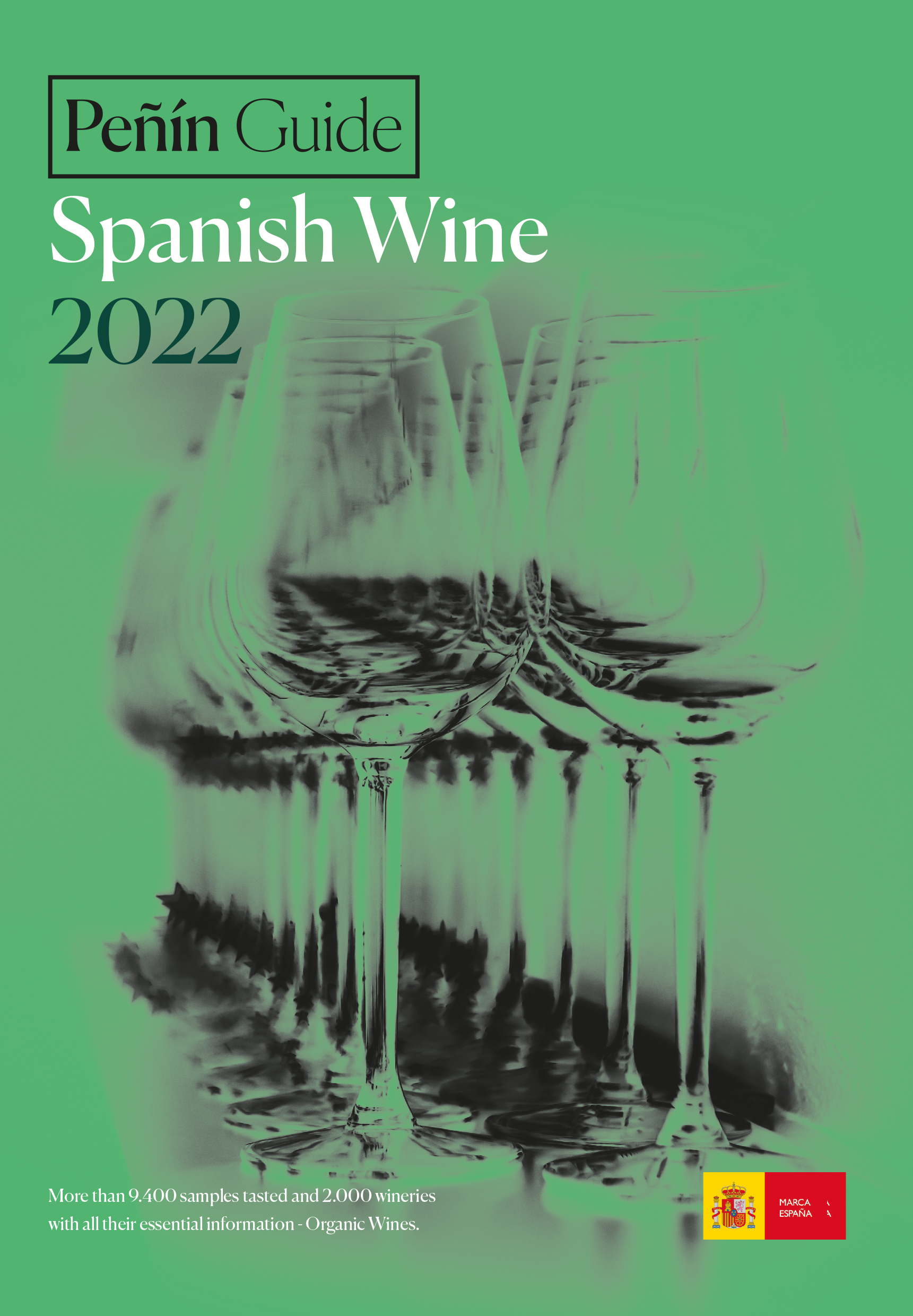
Guía Peñín: Your ultimate source to learn about Spanish Wines

With 9,400 Spanish wine reviews from over 2,000 wineries, Guía Peñín is the most comprehensive guide about Spanish wines. 

I still remember when I first had a copy of this guide in my hands, it was about 20 years ago, I was working for Wines from Spain then, and José’s guide was only published in Spanish and on hard copy. In order to get it, we depended on our Spanish colleagues to bring one from Madrid. Back then, we used this coveted book daily, mostly whenever we wanted to learn about the different Spanish appellations and terroir, to find information about all the wineries, and to check the name of wines and reviews.

The man behind it, José (Pepe) Peñín has dedicated the last 30 years of his life to taste and review Spanish wines, distilled spirits and vermouth, promoting Spanish wines and wine tourism like nobody did before.

Fast forward to 2022 and now this wonderful guide is published and available in 4 different languages, Spanish, German, English and Chinese and his work (over 80,000 wine reviews) is available online on his digital platform @ guiapenin.wine.

For the 2022 edition, José and his team of 4 tasted and reviewed about 10,000 wines. 55% of those were red, 29%  white, 7% sparkling, 6%  rosé and 3% fortified wines. 

José's scoring system divides them in three groups: 

Podium wines for those that received 95-100pts 

Excellent wines from those that received 90-94 pts 

and Very Good wines for those that received 85-89 points.

Last week, during the official launch of Guía Peñín in NY, I had the opportunity to attend a seminar presented by José himself featuring 7 Podium wines that have received between 95-96 pts.

The fine selection included the following:

  • Pere Ventura Gran Vintage Paraje Calificado, Can Bas 2015,  D.O. Cava, 95 pts.

This delicious Cava features 50% Macabeo and 50% Xarel.lo grapes. Paraje Calificado is the equivalent to a Burgundy Grand Cru within the Cava appellation. Completely vinified, using the method Champenoise, with second fermentation inside the bottle, this Cava was also aged on its lees for 42 months. The result is an outstanding, complex and elegant bubbly.

A flight of 4 delicious Tempranillo wines, from the 3 top appellations in Spain: Rioja, Ribera del Duero and Toro:

  • Lalomba Finca Valhonta 2018, D.O.C Rioja, 96 pts

An expressive Rioja made from 100% Tempranillo grapes grown in chalky clay terraces at 650 m. This single vineyard wine was aged for 14 months in oak and 8 months in vat, which delivers a wine full of ripe fruit: black cherry and plum, with delicious spicy notes.

  • Abadia Retuerta Pago Negralada 2016, V.T. Castilla y León,95 pts

A single vineyard 100% Tempranillo, grown at 800 m on gravel soils. This wine was aged for 16 months in new French oak and was one of my favorites of the whole tasting. A fine example of Tempranillo featuring blackberry, cassis and leather notes. Refined and seductive with beautiful soft tannins.

  • Pradorey Elite 2018, D.O. Ribera del Duero, 95 pts

The flagship of this winery and another distinguished single vineyard red, was made from 100% Tempranillo grapes, grown on calcareous soils at 850 m of height. It was also aged for 14 months in new French oak. This  luscious and impressive Ribera del Duero red showcases blackberry, tobacco and licorice notes.

  • Vatan 2018, D.O. Toro, 95 pts

A super Tempranillo wine, made from 100% Tinta de Toro grapes, also from a single vineyard “Finca Los Quemados” featuring sandy soils. This was the biggest of all 4 reds served, and a super powerbomb! Massive in body and texture, it features black currant, licorice and figs with a touch of minerality. Toro usually produces the biggest and beefest Tempranillos from all of Spain.

The last two wines were sweet styles that blew my mind!

  • Vino Dulce de Invierno 2019, Javier Sanz Viticultor, Vino de Mesa, 95 pts

A delicious dessert wine  that is made in tiny quantities. It is made from 80% Verdejo  and 20% Gorda de Moldavia grapes. The sweetness comes from late harvest grapes, grapes that were air dried using the appassimento technique and frozen grapes (in the winery) to emulate the technique used to make ice wines. It has only 10% alcohol, showing a very fragrant nose full of quince, orange marmalade and marzipan aromas and a very unctuous body. Reminiscent of Sauternes or Hungarian Tokay. Unfortunately, this exquisite elixir is not yet sold in the US.

  • Jorge Ordoñez & Co, #2  Victoria Moscatel,D.O. Málaga, 95 pts

A fantastic Muscat of Alexandria wine that is elegant and refined. It was aged on its lees for 8 months. It features a perfumed grapey nose that features candied orange, lychee and honeysuckle notes. Superb!

So, if this summer you plan to learn more about Spanish wines or a wine tour through Spain, buy this wonderful guide! It will surely help you learn more about Spanish grapes, wine styles and its varied terroir.  Salud! or Cheers! Silvina.


#thoughtsoflawina #WineWednesday #penineventnyc #guiapenin

Tuesday, March 7, 2023

Vertical Tastings

Attending wine tastings is possibly one of my favorite things in the whole world, and I always make sure to attend as many invitations to wine events as my schedule allows. However, not all wine tastings are created equal, as there are different kinds of wine tastings. There is the horizontal tasting, which basically consists of tasting wines from the same region from the same vintage, these tastings help you to compare what wineries made on a particular year; there is what is known as a Vertical Tasting, which consists of tasting different vintages of the same wine to be able to assess how the wines have aged through the years, and finally, there is your typical tasting where you taste new wine releases from different producers and regions, which can be thematic or not. Of all these three, Vertical Tastings are the cream of the crop, since  producers usually open up bottles that are no longer sold in the market or are available in very limited quantities, some only via wine auctions. 

Last month, I was lucky enough to be invited to two wonderful vertical tastings of wines from Rioja, a vertical tasting of Bodega Montecillo Gran Reservas and a vertical tasting of Rioja Alta Viña Ardanza Reservas. Before, letting you know my favorites, I think it’s important to say a few things about Vertical Tastings, as not only ageability is assessed during a Vertical Tasting, but most important are the effects that time has on the different wine elements, including tannins, that usually become smoother with time; on the fruit, which may fade or not; or on the aromas and how a wine that tasted fruitier upon release develops a delicious aged bouquet of leather, ink, meat, forest floor, spice, mushroom, garrigue herbs and many other descriptors used to express their complex, layered and truly incredible aromatics.

A Vertical Tasting will also help you assess global climate change and how it has affected a particular region. In my case, I was able to see how Rioja wines from 30 years ago, have less alcohol and more pronounced acidity than most recent vintages. A Vertical Tasting will allow you to see and compare side to side the differences between the vintages, the differences in winemaking, as winemakers continue to experiment year after year in an effort to surprise us, this may include changing blends or percentages of grape varieties in a blend, changing types of oak, as producers choose to experiment with French, American or a blend of both, therefore enhancing a wine’s flavor profile.
Once again, acidity and tannins are extremely important, as they will provide wines with the structure and support they need to age and improve through the years. As I tasted bottles from 1973, 1982, 1994, 2001 and 2016, I discovered that even the older vintages had a lot of lively fruit, freshness and elegance, allowing me to assume that some of these bottles will continue to improve with further aging.


My wine recommendations:

From Bodegas Montecillo, I tasted a selection of fine Gran Reservas that included these vintages: 1970,1973, 1982, 1985,1994, 2001 and 2005 (which was the special 150th anniversary edition). Of all of these, I truly loved the 1973, a blend of 70% Tempranillo, 15% Garnacha and 15% Mazuelo, that features ripe red cherry and cranberry notes meshed with leather and mineral hints. The 1994 was made from a 100% Tempranillo, which reminded me of the many wines I tasted in the early 2000s, still very fruit forward, it has a ripe and powerful blackberry nose, complemented by delicious balsamic and herbal notes, yet my favorite of the line up was the 2001 vintage, by far the best Rioja vintage in years, also made from 100% Tempranillo and showcasing ripe black fruits: blueberry and blackberry, tobacco and licorice notes. A very intense and concentrated 22 year old wine!

From Rioja Alta, I tasted a fine selection of their top Reserva Viña Ardanza, including the following vintages: 1989, 1994, 2001, 2004, 2008 and 2016, which is their latest release. My favorites again were the 1994, a blend of 75% Tempranillo with 25% Garnacha, showing black cherry, dark plums with cedar and bark notes, the 2001, which is a blend of 80% Tempranillo with 20% Garnacha, was powerful and layered, featuring delicious ripe blackberry, vanilla cream and allspice notes and the 2016, their latest release, a blend of 80% Tempranillo and 20% Garnacha, featuring a perfumed floral nose (rose) with raspberry preserves and clotted cream notes. Rioja Alta is a producer well known for making classic and super elegant wines, and elegance and balance shone through the whole line up. 

Current releases of these two wines have a suggested retail price between $40-50. Older vintages, if you find them, can cost up to $200, for sure a treat we can give ourselves occasionally. Until next one! Cheers, Silvina.

Remember to subscribe to receive Thoughts of La Wina in your inbox and to follow me on Linkedin and  Instagram @Silvinalawina

 #thoughtsoflawina #verticaltasting #Rioja #Montecillogranreserva #Riojaalta #Vinaardanza 

Tuesday, October 12, 2021

More Top Spanish Wine Regions: Ribera del Duero!

Located in the province of Castilla León in Spain, Ribera del Duero is about 100 miles drive north of Madrid. It's much smaller than Rioja and has about 21,000 hectares dedicated to vineyards, all of which are located in the valleys surrounding the Duero river. This river, the second most important of Spain, runs from the province of Soria and moves west across the meseta (high plateau of central Spain) ending its trajectory in Portugal (where it is known as Douro, producing ports and very good dry reds there). 


Ribera del Duero
is known mostly for its delicious and robust reds and like Riojas, these are made from the same grape variety:Tempranillo, known here as Tinto Fino.  Garnacha, Cabernet Sauvignon, Merlot and Malbec are also allowed, but only in small quantities; since each wine must have, by law, a minimum of 75% Tempranillo/Tinto Fino in the blend. 

The climate of Ribera del Duero is continental with very hot summers, easily reaching up to 100º Fahrenheit during the day. Temperatures however, go down at night due to altitude, that plays a very important role here. Most vineyards are planted higher than in Rioja too, between 2,500- 3,000 feet. Ribera del Duero is also much warmer, producing reds that are usually more extracted, luscious, and ripe, I normally describe them as “Tempranillo on Vitamins”, their power and concentration come mostly from very old vines, some of which are between 50 to 80+ years old.  

There are two types of soils in Ribera del Duero, near the river, we find marl, riverbed stones and sediments and on the slopes, limestone, and clay. The river has an enormous impact in the whole area, especially during the Spring, when it moderates temperatures, keeping the area warm and preventing frosts that otherwise will seriously affect yields. 


Like Riojas, Ribera del Duero wines are aged in oak and bottle before release and are classified in the following categories:

* Joven: without any oak aging.

* Crianza: one year in oak and one in a bottle.

* Reservas: 3 years minimum, with 1 year in oak, the rest in a bottle.

* Gran Reservas 5 years minimum with 2 years in oak and the rest in a bottle. Keep in mind that most producers can/will choose to age for much longer times. Aging used to happen in American oak, but nowadays more and more wineries are choosing French oak or a mix of both.


Stylistically, Ribera del Duero wines are super elegant and long lived, they have full bodies, with nice acidity and structure. Their typical aromas are blackberry, black cherry, plum and dried fig. With aging, they show tobacco, dill, coffee, game and leather notes. 

Over 300 wineries make wines in this region. Some of which are very expensive; a clear example is the Vega Sicilia Unico, whose current vintage costs $500 + per bottle; it is by far one of the best reds of Spain, a collectible item and a treat we all should taste in our lifetimes. Other top producers are Alejandro Fernández (Pesquera) and Peter Sisseck (Pingus & Hacienda Monasterio), whose wines impress wine lovers at all price levels. In general, this region produces incredible quality wines, and it’s so much more than "the other Tempranillo appellation", it has a well deserved reputation of its own, which has translated into more and more brands becoming widely available in the US. 


My recommendations: 

I had the pleasure of receiving a bountiful of Ribera del Duero samples, and many from wineries I didn’t know. Though, I must warn you, in general, Riberas are a bit more expensive than Riojas, but so worthwhile! Here are some of my favorites that I have tasted recently: 


Barco de Piedra 2019, $18.99

Bodegas Aster Crianza 2015, $20.99

Dominio Fournier Crianza 2016, $29.99 

Finca La Capilla Crianza 2016, $32.99

Torre d' Goblan Crianza 2016, $34.99

Dominio de Ateuta 2015, $34.99

JC Vizcarra 2014, $34.99

Protos Reserva 2014, $34.99

Dominio Fournier Reserva 2014, $49.99

Protos Gran Reserva 2014, $54.99


Once again thanks to all producers and importers for the samples and to the CRDO Ribera del Duero/ Riberaruedawine.com for the map. 

Cheers! Silvina

#thoughtsoflawina #spanishwines #winesfromspain #tempranillo #tintofino #riberadelduero. 

Remember to subscribe to keep receiving Thoughts of La Wina in your inbox and to follow me on Instagram @ Silvinalawina and Linkedin.


Wednesday, May 22, 2019

Visiting the Guía Peñín event in NYC

Yesterday I had the pleasure to visit the Guía Peñín Event in NYC. Over 44 wineries were present at City Winery, some familiar to me and some new (that were actually looking for importers or distribution).

I was really excited to be attending this event, at the beginning of my career I was exposed to many of the fantastic wine producers from Spain and I’m proud to say that either by visiting some of the top Spanish appellations or by attending different seminars, I  had the opportunity to taste some of their best wines… but yesterday was something else, not only I was able to taste some of the classics, I was surprised to find at least for me, some new and fantastic things.

It’s hard for me not to be bias here, of course in favor of Spain. Over the years, Spanish winemakers have not ceased to surprise me, not only there’s great quality/ratio in most of their brands, there is also an ongoing desire to make better and better wine, capable of competing with the very best of the world.
Of course in a world that favors Cabernet and Chardonnay, sometimes it gets super hard to sell something else, especially if one needs to educate consumers about grapes that only grow in Spain, as my friends at Wines from Spain NY know. But my dear winos, now more than ever, expand your horizons and think outside the box! and most importantly do not shy away from Spanish brands or grapes, since there is much delight to be found here!

I plan to recommend many of the brands that I tasted yesterday in future posts, especially recent releases of Rioja and Ribera del Duero Reservas and Gran Reservas. I tasted 59 wines in 2 hours (yep I counted them), so I have plenty of material to write about. 

As always, I began my journey by tasting whites, Albariño and Verdejo, D.O. Rías Baixas and D.O. Rueda respectively, are the two iconic whites from Spain. Many of you will remember that for whites and rosés I always recommend to buy the latest vintage available, both of these grapes have so much fruit aromatics that is always best to consume these as fast as possible..Boy was I in for a surprise!,  all of a sudden I found an Albariño from 2010… I couldn’t believe my eyes… this was a special Albariño indeed!  Fillaboa 1898 2010, That have been aged for 6 years in their lees. All of sudden I asked myself where am I? In Rías Baixas or in Champagne? the wine was truly unbelievable and completely different from the Albariños I have known from the past.

After tasting some of the whites, I continued with the reds, they were some producers from Rioja, Ribera del Duero and Toro, and of course I wanted to taste all of them… Tempranillo in all of its expressions.... Could I ask for anything else?  Rioja, has been always a favorite of mine from the beginning, but Ribera del Duero is something else! my favorite Ribera from last night was Portia Prima “La Encina” 2016, 100% Tempranillo with 15 months in new French oak.

From Rioja I have to mention one wine: Viñedos de Paganos El Puntido 2015, a single vineyard 100 % Tempranillo aged for 28 months in new French oak.
There was a classic/ traditional Rioja winery at the tasting that I’m sure most of you have heard of, this brand has been in the market forever: Bodegas Faustino, was I ready for treat? Bodegas Faustino poured three different vintages of Faustino I Gran Reservas: 2009 which is the current vintage of this wine ($40 a bottle) and also 1996 and 1986 (if you can find these, they will cost you about $170 each, these are soon to be re-released in August 2019).  To me, it was like a mini vertical tasting that allowed everybody to see how Tempranillo can age through time…. I’m out of  words to describe the enticing aromas and flavors of the last two wines. I was very impressed with the 1996 sample, it smelled of super ripe black fruits and then in your palate all these incredible layers of reductive aging flavors: leather, ink, farmyard... a complexity that blew my mind, I just had to come back for a second sip. All Faustino I Gran Reservas are a typical Rioja blend of Tempranillo, Graciano and Mazuelo that are aged for 26 months in a blend of French and American oak and 3 years in a bottle, to that we need to add in the case of the 1996 vintage, 23 years of cellar aging. Wow wow wow!

After a while of tasting reds, I got palate fatigue and needed something fresh to cleanse my palate and went to the table of Pere Ventura Cava, to get some sparkling wine.  Honestly I  drink and buy cavas a lot, they are an inexpensive source of sparkling wines, especially for big events or for your Sunday mimosa, but  if you make me choose between Cava and Champagne, my heart will always go to France…Until yesterday when I tasted the Cava Pere Ventura Vintage Gran Reserva 2014, a blend of 60 % Xarel-lo and 40% Chardonnay, aged for 43 months in its lees, with wonderful flavors of brioche and orange marmalade, creamy, full bodied and super elegant. I have read about these boutique cavas a few months ago in the Wine Spectator and indeed I agree with the Press, I guess Cava is no longer a $10-15 inexpensive sparkler anymore.

Towards the end of the night, I had to taste some sweet wines… first I dropped by Jorge Ordoñez’ table where I tasted one of his Málaga wines. I have read about them in the past and I knew they have received great scores. There were three shown but only 1 in stock… someone said to me ” lady, you are 3 hours too late” boy... how could I have known they were going to run out of the stickies earlier on… Anyhow, the one I tasted was the Jorge Ordoñez & Co #3 Viñas Viejas 2014, 100 % Muscat of Alexandria grapes that are dried in a cool room at the winery, followed by aging in French oak barrels for 35 months on its lees. The results is a dessert wine with enticing aromas of quince, dried apricots, honey… to die for! 

Finally,  I saved for last to taste an unique wine from 1972 and this was the Bodegas Francisco Gómez Quo Vadis Fondillón, made entirely of 30 years old Monastrell vines and aged in a solera system. It tasted and looked similar to a dry Oloroso Sherry, but no alcohol is added here, instead it is obtained from overripe grapes. The SRP of this wine if you can afford it, is $400 per bottle. What a way to end this wonderful night!
Happy #WineWednesday

Silvina


Tuesday, September 14, 2021

Rioja: Land of Great Reds!

Rioja is to Spain what Napa is to the US, it's by far the most important wine appellation, and though many great wines are produced in other D.Os, for centuries great quality Spanish wines came from only two places: Rioja and Jerez/Sherry

Rioja is located to the north east of Madrid, and south of the Basque country. This wine appellation or as we say in Spanish” Denominación de Origen Calificada”, covers three provinces, part of Navarra in the South, part of the Basque Country (Alava) in the north and the province of Rioja itself. All the vineyards are located along both sides of the Ebro River, plus you also have the influence of the Cantabrian Mountains (Sierras) in the north creating special conditions ideal to grow vines.

Rioja is divided into 3 subzones, Rioja Alavesa and Alta to the north and Rioja Baja or Oriental to the south. Soils are different in each subzone, they are mostly clay, and limestone in the north and clay and alluvial in the south. The climate varies too, being much cooler in the north where the influence of the Atlantic Ocean is felt, while in the south (Rioja Baja) is warmer, almost Mediterranean and with less rain. Altitude plays a very important role here, with most of the vineyards planted between 300-600 m or up to almost 2,000 feet. I strongly believe that this special combination of limestone soils, altitude and the Atlantic influence is what gives Rioja wines their unbelievable elegance.

Something very particular of Rioja is that it was inspired and founded by the Bordelais that flew from France after oidium and phylloxera devastated the French vineyards. The Bordeaux influence is easy to see, since most Rioja wines are blends like in Bordeaux. In the case of reds, these are mostly made from Tempranillo (the most important grape of Spain) with small percentages of Mazuelo, Graciano, Maturana and Garnacha (Grenache). Some wineries are also allowed the addition of Cabernet Sauvignon to their blends, resulting in more structured reds, such as the Marqués de Riscal Baron de Chirel.
The whites are mostly blends of Viura with Malvasía, but other white varieties are also allowed: Tempranillo Blanco, Sauvignon Blanc, Verdejo, Garnacha Blanca, Chardonnay and Torrontes. Rioja also produces very affordable and juicy Rosados (rosés), which are made mostly of Garnacha or Tempranillo.

Yet, the core of Rioja is their great quality reds. The other important Bordelais influence is the aging that each wine undergoes by law. Riojas have been traditionally aged, since the very beginning, when Manuel Quintano in 1780 began maturing all wines in oak. On those days, the aging happened in large oak casks but later producers switched to small bordelais barriques (225L). The difference is that in Rioja, wines are usually aged for longer periods of time, as we may see below, while in Bordeaux most wines are aged for an average of 2-3 years before release.

According to their aging, wines can be divided as follows:
Joven (without any oak aging), most of these are consumed domestically (in Spain) not much is imported to the U.S. These are juicy reds made with carbonic maceration.
Crianza: for reds the minimum aging is 2 years, 1 of which is spent in oak and 1 year in the bottle, while whites are aged for a year, with 6 months minimum in oak.
Reserva: the reds are aged for 3 years, 1 of which must be in oak. Whites are aged for 2 years, with 6 months in oak.
and Gran Reserva: the reds are aged for 2 years in oak and 3 years in a bottle, while whites are aged for a total of 4 years, with a minimum of 6 months in oak.  

These periods of aging are just the minimum by law, in fact most wineries age their wines for much longer, making Rioja wines, the longest aged wines before release produced in the world. I strongly recommend you to try old Gran Reservas and to compare the same wine with recent releases, to see the difference. You will see how the wine evolves, the longer it stays on the bottle, developing earthy, savory notes of dry tobacco, leather, ink and forest floor.
Once upon a time, Rioja producers' favorite oak was American, the typical coconut notes of this oak matched beautifully with the red fruits provided by Tempranillo and was a given clue when tasting these wines blind, but in the last 20 years or so more and more Rioja is aged in Slovakian and French oak. It's not unusual to see cooperies in the wineries, since many Rioja producers buy their own oak but make and toast the barrels themselves, another great example of their dedication and craft.

Stylistically, the Joven and Crianza wines are everyday reds, easy to drink, full of fruit (dark cherry, plum come to mind) and balanced tannins. Reservas are what I call “a happy medium”, made usually with fruit from better plots and with a longer aging, they will have more body than any Crianza, more complexity and a delicious spiciness (vanilla, cloves, cinnamon, etc). Finally you have the Gran Reservas, the bigger and better of all 3, made only in the best vintages, with fruit from the best plots, all the extra aging both in oak and bottle, will add layers of aromas and flavors that come for reductive aging.
In 2018, and following the example of Burgundy, Rioja started to classify their vineyards according to their location. The wines can be now divided into Vino de Zona, (zone wines produced in all Rioja), Vino de Municipio (wines produced in certain villages) and Viñedo Singular (or single vineyards, these wines are also produced from old vines: 35 years + old). In 1991, Rioja was the first appellation in Spain to receive the "calificada" denomination, meaning the quality of their wines are above any other produced in Spain. It is very similar to the Italian DOCG. In Spain, only two regions have received this honor: Rioja and Priorat.

As you may see, it's easy to find something for everyone in Rioja, plus Rioja wines are really affordable, most Riojas Reservas start at $20, Gran Reservas at $35 and up, if you do just Crianza, considered the entry level, you can find something at $14 and up. The quality of the wines is something out of this world! Mostly because Tempranillo is such a versatile grape, it can give lighter to medium body reds that are easy to drink and refreshing, but also beefy reds that will blow your mind. Plus, these wines can age and most of this aging happens at the winery, so when you buy a bottle, the wine is ready to be enjoyed, there’s no need for you to wait/ cellar your wine, like you do with Barolo or any Napa Cab. All this extra aging develops aromas and flavors that are so enticing! Magic indeed happens inside the bottles. So, are you ready to taste some Riojas?

My Recommended Wines: Thankfully, Riojas are very easy to find at your wine store, here are some samples that I received lately, many thanks to importers and wineries for these beauties!

Calma Crianza 2014, $20
La Antigua Clásico Crianza 2012, $21
Marqués de Cáceres Reserva 2015, $29.99
Beronia Reserva 2016, $19.99
La Rioja Alta  Viña Alberdi Reserva 2016, $22
La Rioja Alta Reserva Viña Ardanza 2012, $37
Torre de Oña Reserva Finca Martelo 2014, $35
Baron de Ley Reserva 2015, $19.99
Baron de Ley Gran Reserva 2013, $32.99
La Rioja Alta Viña Arana Gran Reserva 2013,$32.99
La Antigua Gran Reserva 2010, $55 
Macán Clásico 2016, $60


Cheers! Salud! Silvina.

Remember to subscribe to keep receiving Thoughts of La Wina in your inbox and to follow me on Instagram @: Silvinalawina.
#thoughtsoflawina #Rioja #Tempranillo #Spanishwine #Spanishred

Maps, courtesy of DOCa Rioja.

Tuesday, January 19, 2021

The Wines of Portugal (non Fortified)

How did I become familiar with the wines of Portugal
Well here goes a bit of my history.... Once upon a time, about 12 years ago, I  worked for a PR agency (Dunn and Robbins) that promoted wines of Portugal. I used to hold in-store tastings twice a week, every other weekend and got familiar with all the Portuguese indigenous grapes. 

Of course for the beginner, learning about wines of Portugal can be overwhelming. Portugal has over 250 native varieties, some of which only grow there. But, Portugal also grows French varieties too: Cabernet Sauvignon, Shiraz, Merlot, Viognier are some that are used in blends with native varieties or on their own. It's also important to know that some of the native varieties are found in neighboring Spain, though with different names; for example Tinta Roriz is the Spanish Tempranillo from Rioja and Ribera del Duero, Alvarinho is the Albariño from Rías Baixas and Jaen is the Spanish Mencía, etc. 

For me Portugal, like Spain, offers plenty of quality at a very reasonable price. Of course if you want to spend a lot of cash, you can find expensive wines here too! but if you are looking for very affordable wines, @ less than $25 a bottle, Portugal is definitely your destination.

Slightly bigger than Bordeaux, Portugal has 190,000 hectares dedicated to vineyards. Climatically, the north of Portugal is cooler than the south which is drier and hotter. We can easily divide Portugal in three sections; appellations on the west coast, facing the Atlantic, enjoy cooling sea breezes, abundant rainfall and moderate temperatures. To the east, on the border with Spain, the climate changes to continental: cool at night but very hot during the day, much dryer, with lower rainfalls. Finally, in the south we have the Mediterranean influence, mild winters but dry and hot summers. There are many soils in Portugal; granite in Vinho Verde, Douro, Alentejo and Dao. Schist in Douro and Alentejo; clay, sand and limestone in Bairrada, Tejo, Peninsula de Setúbal and Lisboa. As you imagine it is the perfect combination of climate, soil, grape varieties and exposure that allows Portugal to produce unique styles of wines. 

Like every country in Europe, wine production is super regulated in Portugal and has a quality system copied from the French. The top wines are known as DOC (Denominação de Origem Controlada) equivalent to the French AOC/ AOP, then comes the IPR (Indicação de Proveniência Regulamentada), similar to French VdP (Vin de Pays) and finally the Vinho de Mesa category or table wine. If you want quality, always stick to DOC wines.

Map of Wine Appellations, courtesy of Wines of Portugal

There are 11 regions in Portugal, these listed below are just my favorites. I opted to list regions, following the system of the old world, I'm including the grape varieties there too, though they don’t usually appear on labels. I am also including descriptions of all the wine styles, this will be important for all of you, who are not familiar with these varieties, and to give you something you can relate to. 

Vinho Verde: located to the north of Portugal and facing the Atlantic, Vinho Verde is usually a blend of several aromatic varieties that include Alvarinho, Loureiro, Trajadura, Arinto, Avesso, etc. Vinho Verde is a very refreshing white with piercing acidity, usually low in alcohol, light body, and a bit of fizz. On the nose will show citrus: fresh orange peel, lime and grapefruit but also green apple notes. Wines from the Monção appellation are usually 100 % Alvarinho and a bit more serious. 

Douro: Yes! the same wineries that produce port, also make superb, dry table wines, and not just any red wines; Douro reds are some of the most flavorful/ beefy reds around! I consider them a powerbomb, because they feature a big body, big fruit, high alcohol (14% is the usual) but soft tannins. On the nose, they have nice black fruit (black cherries and plums), tobacco, cloves and other spices. The main grapes here are those used to make Port: Touriga Nacional, Touriga Franca, Tinta Cao,Tinta Amarela and Tinta Roriz (Tempranillo). Some will be produced as a blend or as varietal.  Quinta Do Crasto is one of my favorite producers here, see more recommendations below.

Dão: is another source of delicious softer reds than those from the Douro valley. Made mostly from Touriga Nacional, Alfrocheiro, Tinta Roriz (Tempranillo), Jaen (Spanish Mencía) & Baga. Dao also produces flavorful whites, which can be medium to full bodied from the Encruzado grape. 

Bairrada: is a source of sparkling wines made with Maria Gomes grapes, Arinto, Cersial and even Chardonnay. But the star of Bairrada is a red grape: Baga. It yields a very rich, tannic red with high acidity, a big red that requires aging to tame its strength! it usually features flavors of black plums, coffee, tobacco and smoke. We can find plenty of wines from international varieties here too, such as Cabernet Sauvignon, Pinot Noir, Syrah, Merlot etc. 

Alentejo: is a source of fruity and easy to drink reds that are offered in many cafes and restaurants.  Aragonêz (AKA Tempranillo from Spain) is the most popular variety here, but also, Alicante Bouschet, Alfrocheiro, Castelao (Periquita) and Trincadeira, all yield elegant reds.  And of course there are blends of Aragonêz with international varieties such as Cabernet Sauvignon, Merlot and Syrah, usually sold as Vinho regional Alentejano. 

Setúbal: is known for its Muscat of Alexandria fortified wine (Moscatel de Setúbal), which is a rich, exotic dessert wine featuring notes of oranges, molasses, and caramel.   
The Pamela DOC appellation produces wines from Castelão grapes, sometimes blended with Tempranillo (Aragonêz), Cabernet Sauvignon, Trincadeira and Syrah. Castelão yields fresh reds full of red currants and plum flavors, similar to Cabernet Sauvignon, but with riper tannins and balanced alcohol.

So, what do you think? should we give Portugal a try? 
Below my recommendations: many thanks to Broadbent Selections, Ole & Obrigado, Vineyard Brands and Herdade do Esporao for providing me with samples.

Broadbent Vinho Verde NV, $11.99
Known for his wonderful selection of Madeiras and Ports, Bartholomew Broadbent has added a full line up of still Portuguese wines. His mouthwatering Vinho Verde is a blend of 50 % Loureiro, 40% Trajadura and 10% Pederna. This light and spritzy white shows elegant lime and grapefruit notes and lively acidity. Comes in a rosé version, too.

Broadbent Dao White 2019, $14.99
If you are looking for a different white you have reached the right spot! made from a blend of Encruzado, Malvasia Fina, Bical and Gouveio, this firm, medium white offers white peach, slivered almonds with herbal (tarragon and fennel) notes, ending smooth and creamy!

Broadbent Douro Reserva 2018, $24.99
Polished red featuring a blend of Tinta Roriz, Tinta Barroca, Touriga Nacional and Touriga Franca, aged for 12 months in oak. Elegant combination of ripe black cherry and blueberry compote with layers of clove and vanilla notes that frame a lovely finish.

Nortico Alvarinho 2019, (Vinho Regional Minho) $14.99
Made from 100 % Alvarinho grapes sustainably grown, this light, refreshing white showcases nice yellow apple and grapefruit notes and an elegant touch of white stone minerality. 

Macanita Douro 2018$29.99
Velvety red featuring Touriga Nacional old vines (some over 80+ years old) and Sousao grapes. This wine is aged for 12 months in a blend of new and old French oak and features abundant plum and blueberry preserves aromas combined with scented floral notes. 

Herdade Do Esporao Monte Velho Red 2019 (Alentejo) $9.99
An everyday red with substance, made from 40% Aragonêz (aka Tempranillo), 35% Trincadeira, 20% Touriga Nacional, and 5% Syrah. It delivers fresh red cherry and vanilla notes, subtle tannins tune up the finish.

Altano Douro White 2019 $14.99
A blend of organic grown Malvasia fina, Viosinho,Rabigato and Moscatel Galego. Tropical Pineapple and peach notes on this floral and bright white. Delish!

Altano Douro Red 2018 $12.99
Suave red made from a blend of Touriga Franca, Tinta Roriz and Tinta Barroca. This tinto offers plum, glazed cherries and licorice notes that mark the spicy peppery finish.

Quinta do Ataide Douro Red 2015 $25.99
Concentrated red made from a blend of Touriga Nacional, Touriga Franca, Tinta Roriz, Tinta Cao and Tinta Barroca. Aged for 10 months in French oak. It features prune sauce and brambly notes that complement the interesting fleshy finish. Cheers! Silvina


Remember to subscribe to keep receiving Thoughts of La Wina in your inbox and to follow me in Linkedin and Instagram @: Silvinalawina.

#portuguesewines #portugal #thoughtsoflawina #tryadifferentredtonight