Tuesday, May 31, 2022

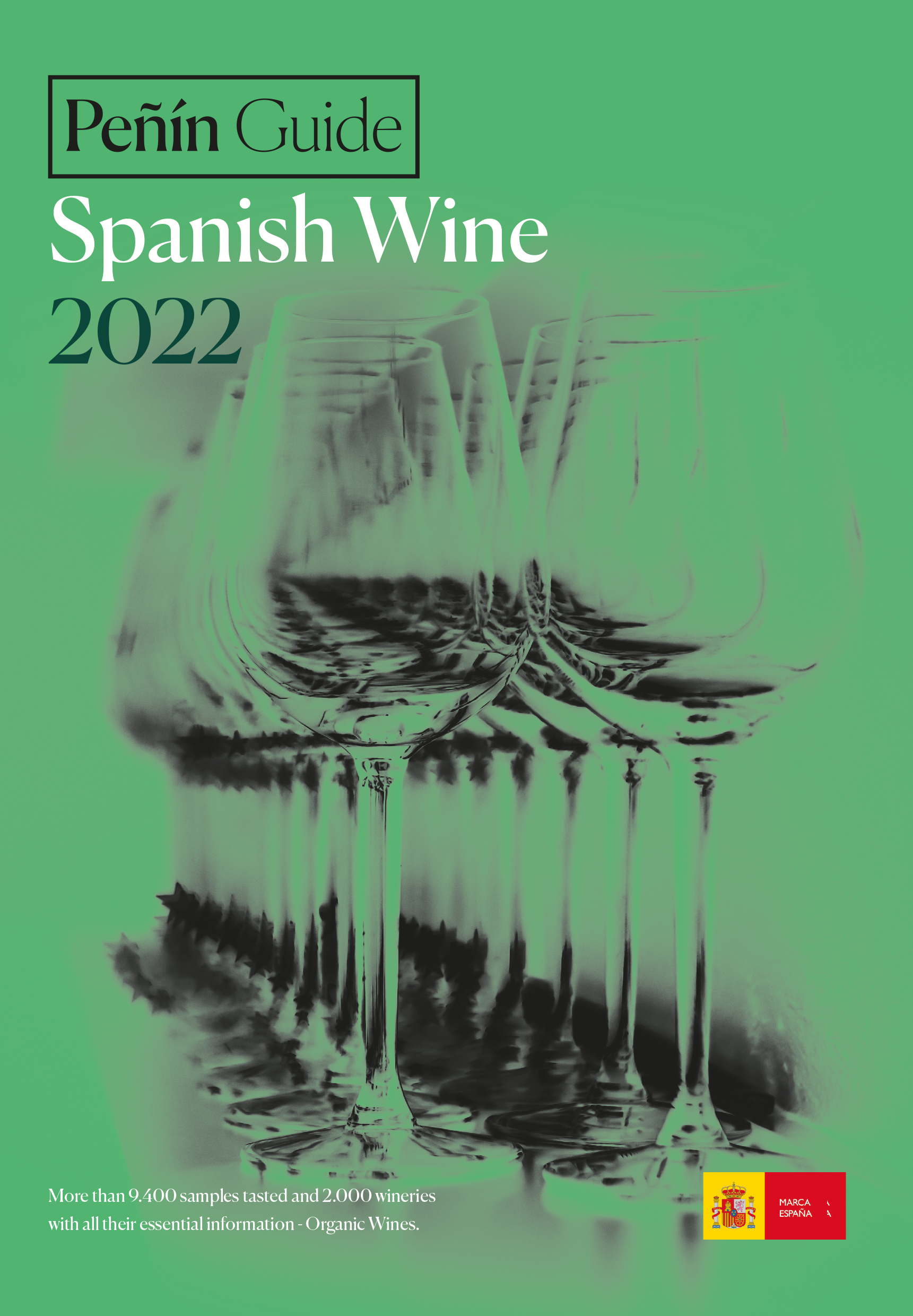
Guía Peñín: Your ultimate source to learn about Spanish Wines

With 9,400 Spanish wine reviews from over 2,000 wineries, Guía Peñín is the most comprehensive guide about Spanish wines. 

I still remember when I first had a copy of this guide in my hands, it was about 20 years ago, I was working for Wines from Spain then, and José’s guide was only published in Spanish and on hard copy. In order to get it, we depended on our Spanish colleagues to bring one from Madrid. Back then, we used this coveted book daily, mostly whenever we wanted to learn about the different Spanish appellations and terroir, to find information about all the wineries, and to check the name of wines and reviews.

The man behind it, José (Pepe) Peñín has dedicated the last 30 years of his life to taste and review Spanish wines, distilled spirits and vermouth, promoting Spanish wines and wine tourism like nobody did before.

Fast forward to 2022 and now this wonderful guide is published and available in 4 different languages, Spanish, German, English and Chinese and his work (over 80,000 wine reviews) is available online on his digital platform @ guiapenin.wine.

For the 2022 edition, José and his team of 4 tasted and reviewed about 10,000 wines. 55% of those were red, 29%  white, 7% sparkling, 6%  rosé and 3% fortified wines. 

José's scoring system divides them in three groups: 

Podium wines for those that received 95-100pts 

Excellent wines from those that received 90-94 pts 

and Very Good wines for those that received 85-89 points.

Last week, during the official launch of Guía Peñín in NY, I had the opportunity to attend a seminar presented by José himself featuring 7 Podium wines that have received between 95-96 pts.

The fine selection included the following:

  • Pere Ventura Gran Vintage Paraje Calificado, Can Bas 2015,  D.O. Cava, 95 pts.

This delicious Cava features 50% Macabeo and 50% Xarel.lo grapes. Paraje Calificado is the equivalent to a Burgundy Grand Cru within the Cava appellation. Completely vinified, using the method Champenoise, with second fermentation inside the bottle, this Cava was also aged on its lees for 42 months. The result is an outstanding, complex and elegant bubbly.

A flight of 4 delicious Tempranillo wines, from the 3 top appellations in Spain: Rioja, Ribera del Duero and Toro:

  • Lalomba Finca Valhonta 2018, D.O.C Rioja, 96 pts

An expressive Rioja made from 100% Tempranillo grapes grown in chalky clay terraces at 650 m. This single vineyard wine was aged for 14 months in oak and 8 months in vat, which delivers a wine full of ripe fruit: black cherry and plum, with delicious spicy notes.

  • Abadia Retuerta Pago Negralada 2016, V.T. Castilla y León,95 pts

A single vineyard 100% Tempranillo, grown at 800 m on gravel soils. This wine was aged for 16 months in new French oak and was one of my favorites of the whole tasting. A fine example of Tempranillo featuring blackberry, cassis and leather notes. Refined and seductive with beautiful soft tannins.

  • Pradorey Elite 2018, D.O. Ribera del Duero, 95 pts

The flagship of this winery and another distinguished single vineyard red, was made from 100% Tempranillo grapes, grown on calcareous soils at 850 m of height. It was also aged for 14 months in new French oak. This  luscious and impressive Ribera del Duero red showcases blackberry, tobacco and licorice notes.

  • Vatan 2018, D.O. Toro, 95 pts

A super Tempranillo wine, made from 100% Tinta de Toro grapes, also from a single vineyard “Finca Los Quemados” featuring sandy soils. This was the biggest of all 4 reds served, and a super powerbomb! Massive in body and texture, it features black currant, licorice and figs with a touch of minerality. Toro usually produces the biggest and beefest Tempranillos from all of Spain.

The last two wines were sweet styles that blew my mind!

  • Vino Dulce de Invierno 2019, Javier Sanz Viticultor, Vino de Mesa, 95 pts

A delicious dessert wine  that is made in tiny quantities. It is made from 80% Verdejo  and 20% Gorda de Moldavia grapes. The sweetness comes from late harvest grapes, grapes that were air dried using the appassimento technique and frozen grapes (in the winery) to emulate the technique used to make ice wines. It has only 10% alcohol, showing a very fragrant nose full of quince, orange marmalade and marzipan aromas and a very unctuous body. Reminiscent of Sauternes or Hungarian Tokay. Unfortunately, this exquisite elixir is not yet sold in the US.

  • Jorge Ordoñez & Co, #2  Victoria Moscatel,D.O. Málaga, 95 pts

A fantastic Muscat of Alexandria wine that is elegant and refined. It was aged on its lees for 8 months. It features a perfumed grapey nose that features candied orange, lychee and honeysuckle notes. Superb!

So, if this summer you plan to learn more about Spanish wines or a wine tour through Spain, buy this wonderful guide! It will surely help you learn more about Spanish grapes, wine styles and its varied terroir.  Salud! or Cheers! Silvina.

#thoughtsoflawina #WineWednesday #penineventnyc #guiapenin

Tuesday, May 17, 2022

Post-Covid Wine Consumption Trends

Two years after Covid 19 and our minds have changed, and though we may want things to be as they were in pre-pandemic times, according to the IWSR this won’t happen for on-premise sales until 2025. Yet, not all was lost during the pandemic, it’s true the on-premise was hit very hard, but in general, wine and alcohol sales soared, proving once again that wine and spirit marketers can reinvent themselves under the craziest of circumstances! And more importantly some of these pandemic practices are here to stay, such as, online ordering, home delivery of wines and spirits, foods and drinks takeaway, the home on-premise and zoom wine tastings.

At the beginning and when the pandemic started, most people ordered online the brands they knew, most wine stores were closed then, so the only way to buy was online with home delivery. Later, this changed to online with curbside pick up. Bored and with nowhere to go, people started to try new things, like cocktail kits, wine subscriptions and ready to drink items (RTD). RTDs saw their popularity increased across the board. Later, came the premiumisation of both wines and spirits, mostly because buying wines and spirits online was cheaper than at on-premise venues (now closed due to lock down). People started spending more cash and buying better wines, so instead of spending $15 on a bottle of wine, they would spend $40. This phenomenon happened for wines and also spirits, and once consumers tasted the good stuff it was very hard to come back to the plonk. Later premiumisation moved to the ready to drink category, both spirits and wine based, that cater to the younger generations (Millennials and Gen X).
 
At the same time, Covid 19 made us focus on us, on our well being and the well being of the planet. Sustainable practices have been in fashion for some time, with consumers looking to support wineries that went green, not only in regards to packaging, but also what went inside the bottles. Suddenly, low calorie and low carb products became important, but
 also because of moderation. Being at home and having alcohol so easily within our reach, was bad for some, so in an effort to cut down a bit, people started to consume non-alcoholic and low alcoholic items. Sales grew and is expected to continue doing so (up to 8% by 2025). In most cases this was due to the abstainers (those that don’t drink any alcohol), but also because of the blenders (those that drink both alcoholic and non-alcoholic products), as well the substituters (those who drink according to the occasion, sometimes low or no-alcoholic wines/ spirits and other times at full strength). 
 
Staying at home also forced marketers to think outside the box, and to offer the customers a better home experience, this is also known as the “improved home on-premise”. Because most of the consumers were working from home or in hybrid mode, the pandemic also caused an increase in local consumption, which helped local economies and brands. 
 

E-commerce saw an explosion like never before (read my post about this topic from the beginning of the pandemic), with increased sales of 43%  in 2020. This is expected to continue increasing up to 66% by 2025 globally. The US saw an annual average growth of 20% and hence, it is expected to become the top market for online beverage alcohol sales. 
We got used to buying online, and having our wines delivered to our doors. Those that could wait usually used specialty stores like wine.com, while those that wanted items right away, used drizly or minibar to buy wines and spirits and get them delivered in their hands in less than 1 hour. The whole e-commerce movement forced stores to provide better delivery services, and wineries to update their websites to provide information and experiences to the consumer in isolation.

Finally, the return to the on-premise is currently being led by the young generations who are eager to go back to indoor eating and drinking. Millennials and Gen X  are key here, and marketers are catering to their demands and tastes.

The industry however has a few challenges ahead, more than being affected by demand and supply, it has to deal with global inflation and its consequences, as well as disruptions in the chain supply, lack of stock of certain items, increased energy costs, war in Ukraine, etc. All of which may translate into higher prices of some or most of our favorite products. Still there’s plenty of opportunities to make money, as long as consumers continue to gratify themselves with wine or/and spirits. As I said in a previous post, "if pandemic life was hard, it would have been much harder without any wine", feel free to quote me on this one.  
Cheers! Silvina.

#thoughtsoflawina # WineWednesday #winetrends  #spirittrends #postcovidwinesales

Remember to subscribe to keep receiving Thoughts of La Wina in your inbox and to follow me in Linkedin and Instagram @Silvinalawina.
 

Tuesday, May 3, 2022

Loire Valley Appellations: Sancerre and Pouilly-Fumé

The Loire river is the longest river in France, extending for about 300 miles, from the Massif Central, continuing north and west, and finally ending in the Atlantic ocean. As it happens in many wine appellations in the world, there are vineyards planted on both sides of the river, where over sixty three appellations craft all styles of wines: whites, rosés, sparkling wines and dry reds. This post is dedicated to the regions located on the eastern side of the Loire; here, in the very heart of France, also known as the Central vineyards, we can find two appellations of note for producing excellent dry whites: Sancerre and Pouilly-Fumé.  


Map courtesy of Loire Valley wines (the Central Vineyards are located inside the triangle)

Located on opposite sides of the Loire river, Sancerre and Pouilly-Fumé enjoy a completely different climate from other Loire appellations, located to the west and closer to the Atlantic, where the climate is maritime and therefore humid.  In the Central vineyards, we find a cool continental climate, with temperature and seasonal differences; that means sunny summers and very cold winters. Spring frost during the growing season is often a real problem, as well as intense summer hailstorms.  In general, all of the Loire Valley is considered a cool climate region, yielding very lively wines with high acidity. The Loire Valley is located at 47º latitude north, which is very northerly; however, the area enjoys longer days with more sun hours, especially during ripening season (August and September).  

This is the actual place where Sauvignon Blanc is believed to have originated, and from where it was transported to other countries. Pouilly-Fumé is located on the right side of the river, near the town called Pouilly- Sur-Loire while Sancerre is located on the left bank surrounding the city of the same name and neighboring other satellite appellations that also make good Sauvignon Blancs, such as Menetou-Salon, Reuilly and Quincy.

The soils in Sancerre are chalky and rocky and can be divided into three groups. The Terres Blanches are rich in Kimmeridgian marl, a limestone rich in sea fossils, which usually provides wines with plenty of structure (it's the same soil found in Chablis). The Caillotes combine limestone pebbles, clay and gravel and produces the most aromatic wines, and finally the Silex, a flint sand based soil that gives the wines their typical minerality and smoky aromas. In Pouilly-Fumé the soils are similar to those of Sancerre but usually have more Silex, hence the use of the word Fumé (smoky in French). Sancerre is the largest producer of the whole Loire valley, producing double the amount of bottles of any other sub appellation, which includes a small amount of red and rosé, while Pouilly-Fumé produces only white wines.

Stylistically, Sauvignon Blancs from Sancerre and Pouilly-Fumé are completely different from those produced in the new world. For starters they tend to be more restrained, mineral and herbaceous and therefore less fruity, plus they are not normally aged in oak, with most producers fermenting in stainless steel and or very old casks and purposely avoiding malolactic fermentation. Their focus is to keep the wines’ elegance and inert aromas of the grape. These characteristics are what have made Sancerre and Pouilly-Fumé  a better match for food, and what made them a favorite of most French bistros.

Loire Valley Sauvignon Blancs feature light to medium bodies, medium alcohol, high acidity and no tannins. Common descriptors used for these wines are: gooseberry, black currant leaves, green peppers, pink grapefruit, fresh cut grass, thyme, fennel, cat’s pee, asparagus, lemon curd and lime zest. In warmer vintages, they will also show white peach, pineapple and honeydew melon notes. Sancerre tends to be very green on the nose, elegant and refined while Pouilly-Fumé is smoky, mineral and a bit rounder in body. They are best consumed upon release and up to three years from their vintage, right before they lose their delicious freshness.

My wine recommendations: a  very special thanks to Kobrand, Vineyard Brands, Taub Family Selections and David Milligan Selections for this fine selection of samples.

J de Villebois Sancerre Blanc 2020, $29.99
Vivacious 100% Sauvignon Blanc, grown in three different terroirs: Caillotes (stones and clay), Terres Blanches (Kimmeridgian clay) and Silex (flint). This wine is completely fermented in stainless steel tanks and aged for six months on its lees.  
This lovely Sancerre delivers gooseberry,
green lime and lemon zest aromas, framed by a lively and mouth-watering finish.

Domaine Fournier Sancerre Silex 2020, $49.99
Minerally laden 100% Sauvignon Blanc grown in Silex soils (with black, gray and pink flint), from an average of 35 years old vines. It was fermented in stainless steel  and aged for 8 months on its lees, without any malolactic fermentation. Classic Sancerre exudes black currant leaves and green lime zest notes, with a herbal and stony finish.

Domaine Fournier Pouilly Fumé Les Deux Cailloux 2020, $29.99 Elegant 100% Sauvignon Blanc from 20 years old vines grown in Kimmeridgian limestone and Silex. It is aged from 6-12 months on its lees. Vibrant Pouilly-Fumé features pineapple, lime and white peach notes. Taut and focused on the finish.

Michel Redde et Fils Pouilly Fumé La Moynerie 2019, $33.99
Single vineyard 100 % Sauvignon Blanc from 20-25 year old vines, grown in Kimmeridgian marl and clay with Flint.  Fermented in a combination of stainless steel and wooden barrels and aged on its lees for 10-12 months. Lively
Pouilly-Fumé yields pink grapefruit and ripe pineapple notes with an enticing and very mineral finish.

Saget La Perrière La Perrière Blanc Fumé de Pouilly 2018, $31.99
Refined 100 % Sauvignon Blanc, completely fermented in stainless steel  with indigenous (natural) yeasts and aged for 6 months on its lees.
Textbook
Pouilly-Fumé yields honeysuckle, white peach and smoky goût de pierre à fusil notes with a delicious and long lasting finish.

Hoping you will enjoy these soon! especially to celebrate International Sauvignon Blanc Day, which this year falls on May 6th. Cheers! Silvina. 
 
Remember to subscribe to receive Thoughts of La Wina in your inbox and for more recommendations, follow me on Instagram @Silvinalawina and Linkedin.

#thoughtsoflawina #Pouilly-Fumé #sancerre #loirevalleywines #internationalsauvignonblancday #sauvblancday

Tuesday, April 19, 2022

All about Wine Tasting Etiquette

Should we behave a certain way when we go to tastings? And the answer is yes, definitely!
 
I believe that if you plan to be taken seriously in the wine industry or anywhere else, you need to behave.  One of the first things I learned on my first tasting that was about Ribera del Duero wines, was to spit… Yes people, please use spittoons! It's the only way you can taste several wines without getting drunk and making a fool of yourself in front of your colleagues…. Of course it required some practice to aim right and not to splash wine all over the table or on people... try to stay closer to it, and also be kind to fellow tasters, and move away from the spittoons and allow others to use them. I swear this always happens to me, some people start talking with the pourer and forget their bodies are blocking the thing, just when I need to spit my wine.These days, thankfully and because of Covid 19, wine events’ organizers give each attendee a large paper cup so that we can spit there and then pour in the actual spittoon. It’s a hassle to joggle the wine glass on one hand, the paper cup on the other and your phone to take notes, but safety comes first. 

Another important thing is to drink plenty of water and to have some food in you before tasting. This is vital for me, especially if you are tasting big wines, tannic wines, high alcohol wines, maybe it’s because I’m older now but I process alcohol differently and I feel it the very next day…so dry up inside and super thirsty… To avoid this, I make sure to drink a nice bottle of water before I go, and more during the event, especially if it’s a long session. 

You may wonder how many wines one should taste in any wine session. I have one Master Sommelier that confessed to me she can do 100 bottles in one sitting, that is way too much for me!!!!, I get palate fatigue very easily, actually my maximum during the NY Wine experience was 60 wines and in two hours (I had water and food in the middle).  Plus, when I begin to feel the fatigue… I always drink something refreshing like some sparkling wine (Champagne, ideally) or Riesling… they cleanse my palate really well and maybe help me go on a bit longer.

Yet, ideally for me, the ideal number is no more than 20 wines at a time, but when you are at a tasting event, that is impossible. Mostly because there’s so much to taste and you have such little time to do so. On top of that I also take pictures of the bottles, not only to keep their info to myself but to post on social media. A note to all event organizers please check the lighting of your venues, a setup of a rain forest, may be fun for you to show, but for us who need to take pictures it is impossible to do so because it’s so damn dark. 
Something I always take with me is my crossbody little bag, this way I don’t have to hold my large purse in one hand, while trying to swirl, taste and take pictures. I prefer to read the tasting books on my phone, but when this is not available, I take them at the end, and take pictures of the wines I like through the session, which will help me to identify whatever I tasted earlier.  


Another great tip is to always wear comfortable shoes, ideally flats, and comfy clothes… meaning keep it business oriented ok?, though this has changed over the years... you don’t want to look as if you are homeless either.
Whenever possible I try to ask questions to the pourer/winery rep, but that depends on how busy they are. Sometimes, there is no time because they need to pour to so many people. I must admit that there were occasions when I poured myself (a little bit of wine, not a whole glass), this happened when the table didn’t have a pourer (because she/he went to the bathroom) or they are talking so much making a sale, that I didn’t want to interrupt them. But, hey! my time is precious too, so don’t make me wait longer than I need.

I normally do my homework before going to large tastings, this way I know what I want to taste and where to go.My students that sometimes come with me, often have trouble keeping up. Thankfully, organizers usually send the list of wineries a few days earlier, which makes everything super easy, this way, when I arrive, I know the tables I plan to stop by. Yet the truth is that there’s so much wine out there, sometimes I don’t know all the brands… in those cases, I go to appellations that I’m interested in and avoid others. You bet I found many good surprises!!! 

Now for my next life,  I wouldn’t mind having a third arm, this way it will be easier to carry all of my stuff around including brochures, maps, shelf talkers, food, etc. A note to all producers:  make your sales materials smaller and people will definitely take them.
Cheers! Silvina.
 
#thoughtsoflawina #WineWednesday #winetastingetiquette 
 
Find me next at the Guía Peñín Wine Event, happening on May 24 at City Winery. Register here, using this code:PENIN2022. This event is open exclusively to the Media and Trade.


Remember to subscribe to keep receiving Thoughts of La Wina in your inbox and to follow me in Linkedin and Instagram @Silvinalawina.

Tuesday, April 5, 2022

Easter Wines to Impress your guests!

For most people, Easter means brunch with family and friends after church services, which usually include plenty of delicious food. To me, Easter is also the kick-off of Spring. We move from heavy dishes and stews to lighter dishes and we welcome some of my favorite Spring vegetables, like asparagus, green peas, sugar snap peas and artichokes.
So, whether you are celebrating Easter with the typical glazed ham, a delicious roasted leg of lamb or your favorite Spring veggies frittata, I have the perfect wine to recommend to you.  

Apaltagua Chardonnay 2021, Casablanca, Chile $12
Made from 100% Chardonnay grapes grown in the Casablanca Valley. Completely fermented in stainless steel and aged on its lees for 4-6 months. This vivacious white features passion fruit,  pineapple and honey notes, giving away to a mineral scented and mouth-watering finish.
Serve this with Easter deviled eggs, grilled asparagus with Parmesan cheese, baked fennel with olive oil, artichokes with lemon sauce or my favorite  brunch item! mushroom and asparagus frittata.

Funckenhausen Rosé 2021, Mendoza Argentina, $15
A blend of 85% Malbec, 5% Cabernet Sauvignon and 10% Cabernet Franc.This fresh and uncomplicated rosé is fermented in stainless steel to preserve fruitiness, without any malolactic fermentation. The nose features strawberries, dry red cherries and pink grapefruit aromas that echo into a juicy and zesty finish. The ideal wine to have by the beach or at a picnic too!
Serve it with your glazed roasted ham, scalloped cheese potatoes, creamy mac and cheese with bacon and mushrooms, roasted carrots with dill or creamy peas with butter. It will also go well with all kinds of salads or scampi flounder fillets.

Celler Unio Convey 2017, DOQ Priorat $17
A polished red, made from a blend of 50/50 Garnacha and Carignan. Aged for 6 months in oak. This savory and medium plus bodied red showcases blackberry, figs and raisin notes, with a touch of spicy clove and nutmeg that intensify the smoky finish.

Lazuli Cabernet Sauvignon 2017, Maipo Valley, Chile $45
A Powerbomb made from 100% Cabernet Sauvignon grapes. It’s vinified in stainless steel and aged for 16 months in second hand French oak. This succulent red features black currant, plum, black olives and tobacco notes. Soft tannins give structure as well as fine tune the expressive finish.

Serve these two delicious reds with your braised leg of lamb with rosemary and garlic, grilled lamb chops with mint jelly, savory lasagna with beef rag
ú or roasted pork loin with honey mustard sauce.


Yum! Don’t forget to leave some space for some delicious chocolate eggs, hot cross buns or bunny cupcakes. Happy Easter to everybody! Cheers, Silvina

#thoughtsoflawina #winewednesday #easterwines #holidaywines
 
Remember to subscribe to keep receiving Thoughts of La Wina in your inbox and to follow me in Linkedin and Instagram @Silvinalawina.